Transform Your Space: Vital Details On Residential Improvement Projects for All Property Owners
Property owners frequently look for ways to improve their homes through home improvement projects. Such undertakings may vary from small kitchen fixes to complete home renovations. Knowing the choices accessible is vital for making sound choices. Moreover, one must consider tangible aspects including financial planning and choosing the right builder. As householders start this endeavor, they could face unexpected challenges. Achieving a successful makeover lies in thorough design and https://www.kratoscontracting.ca/ performance. What steps should be taken next?
Understanding the Different Types of Residential Renovation Work
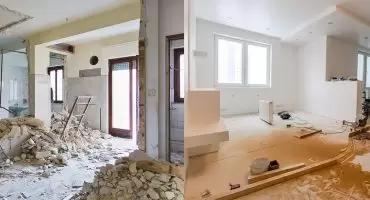
When homeowners consider renovating their living spaces, they often encounter many different types of services suited to various requirements and preferences. These options can be widely classified into various categories, each focusing on particular areas of home improvement. Renovating the kitchen involves upgrading equipment, storage units, and layouts to enhance functionality and the look. Bathroom remodeling typically involves updating the hardware, the ceramic work, and storage solutions for greater ease and style.
Whole-home remodeling encompasses major alterations across the property, sometimes requiring major structural work to make the most of the space and layout. Exterior remodeling services, in contrast, aim to improve the home's outward appearance, handling the exterior walls, the covering, and landscaping. Additionally, specialized services including converting the cellar and loft remodeling allow homeowners to maximize unused areas. Each type of remodeling service delivers specific perks, allowing property owners to select choices that align with their vision for their living environment. Knowing these variations is crucial to choosing wisely while undertaking the upgrade.
Setting a Realistic Budget for Your Renovation Undertaking
How can homeowners guarantee their home upgrades are kept financially viable? Developing an achievable budget is vital. Property owners must start by assessing their monetary resources, including savings and potential financing options. This preliminary action helps establish the amount that can be set aside for the updating project without compromising other financial responsibilities.
Afterward, those undertaking the remodel should investigate the expenses linked to their planned updates, including materials, labor, and surprise expenses that tend to crop up. Creating a detailed list of priorities will assist in identifying must-haves versus nice-to-haves, making it possible to adjust if funds become limited.
It's wise to include a contingency fund, generally 10-20% of the entire budget, to cover unexpected costs. Regularly reviewing and adjusting the budget during the renovation project can also help maintain financial control. Finally, a thoroughly prepared budget not only guarantees project viability and makes the whole updating experience better for homeowners.
Selecting the Appropriate Contractor for Your Requirements.
Selecting the right contractor has a major influence on how well a renovation turns out. Homeowners should begin by conducting thorough research, seeking recommendations from friends, family, or online reviews. It is essential to confirm documentation, including licenses, insurance, and bonding, to confirm legitimacy.
When prospective builders are located, they should seek detailed cost breakdowns and timeframes, facilitating well-grounded side-by-side evaluations. Interviews provide insight into communication styles and professionalism, which are essential for a collaborative process.
In addition, looking at completed jobs through galleries or recommendations demonstrates the professional's skill level. Homeowners should also inquire about warranties or guarantees, reflecting the contractor's confidence in their work.
Ultimately, selecting a contractor who aligns with the homeowner’s vision, budget, and timeline creates a better renovation journey, making certain the outcome satisfies needs and changes the space as intended.
Structuring and Laying Out Your Perfect Area.
As homeowners envision their ideal spaces, meticulous organization and deliberate design are crucial elements of an effective updating job. The initial phase includes assessing present requirements and long-term goals, which permits a comprehensive grasp of the room's intended function. When planning, homeowners should evaluate practicality, aesthetics, and personal style, making sure the design captures their distinctive choices.
Next, establishing a thorough budget is crucial. This budget should cover supplies, labor, and potential unforeseen expenses. Hiring professional designers can offer helpful perspectives, assisting in improving the layout and respecting budgetary constraints.
Integrating components like natural light, open layouts, and sustainable materials can enhance the overall experience. Lastly, seeing the project via sketches or digital renderings can assist in finalizing plans prior to construction. When handling the initial design phase deliberately, homeowners can build a comfortable, effective space suited to their way of life.
Navigating Permits and Regulations in House Renovation
Familiarizing oneself with the red tape and requirements can be challenging for homeowners starting on a remodeling project. Each municipality has specific rules that govern what can be done during renovations, typically guided by area restrictions, construction standards, and security requirements. Homeowners must familiarize themselves with local regulations to avoid costly fines or setbacks in the timeline.
In most cases, getting permits is mandatory for significant alterations, such as structural changes or new wiring installations. This process frequently requires submitting blueprints for approval and could involve check-ups at multiple points.
Engaging a knowledgeable contractor can make this procedure easier, as they are often familiar with local codes and can aid in filing necessary forms. It is important for homeowners to communicate regularly with the city's regulatory body to verify legality throughout the project. By grasping and navigating these regulations, homeowners can achieve their remodeling goals while ensuring safety and legality in their renovations.
Common Queries
How Much Time is Needed for a Typical Remodeling Job?

A typical home remodeling project usually takes three to six months on average, depending on the scope of work, scale of the house, and supply chain status. Complex projects may require additional time for completion.
What are some frequent blunders you should steer clear of during remodeling?
Frequent errors when renovating a home include failing to budget properly, neglecting permits, overlooking timelines, failing to communicate effectively with the construction team, and not considering long-term functionality. Knowing these potential problems can lead to a smoother, more successful remodeling experience.
How should I go about choosing the appropriate materials for my renovation?
Selecting appropriate supplies involves evaluating how long they will last, visual appeal, and financial limits. Researching options, consulting professionals, and factoring in how much care they require can greatly aid in reaching educated conclusions, ensuring the project aligns your needs and preferences.
Can I live in my home while the remodeling is happening?
You are able to stay in their home during renovations, but it could be uncomfortable. Detailed organization, effective coordination with the renovation team, and designating specific areas for daily use can help minimize disruption while the work is underway.
What kind of coverage should be provided by my builders?
Homeowners should expect warranties covering workmanship, the supplies used, and the integrity of the structure, which usually last between one to ten years. You must carefully check specific terms and conditions in partnership with the renovation company to know the full extent of the guarantee and its restrictions.